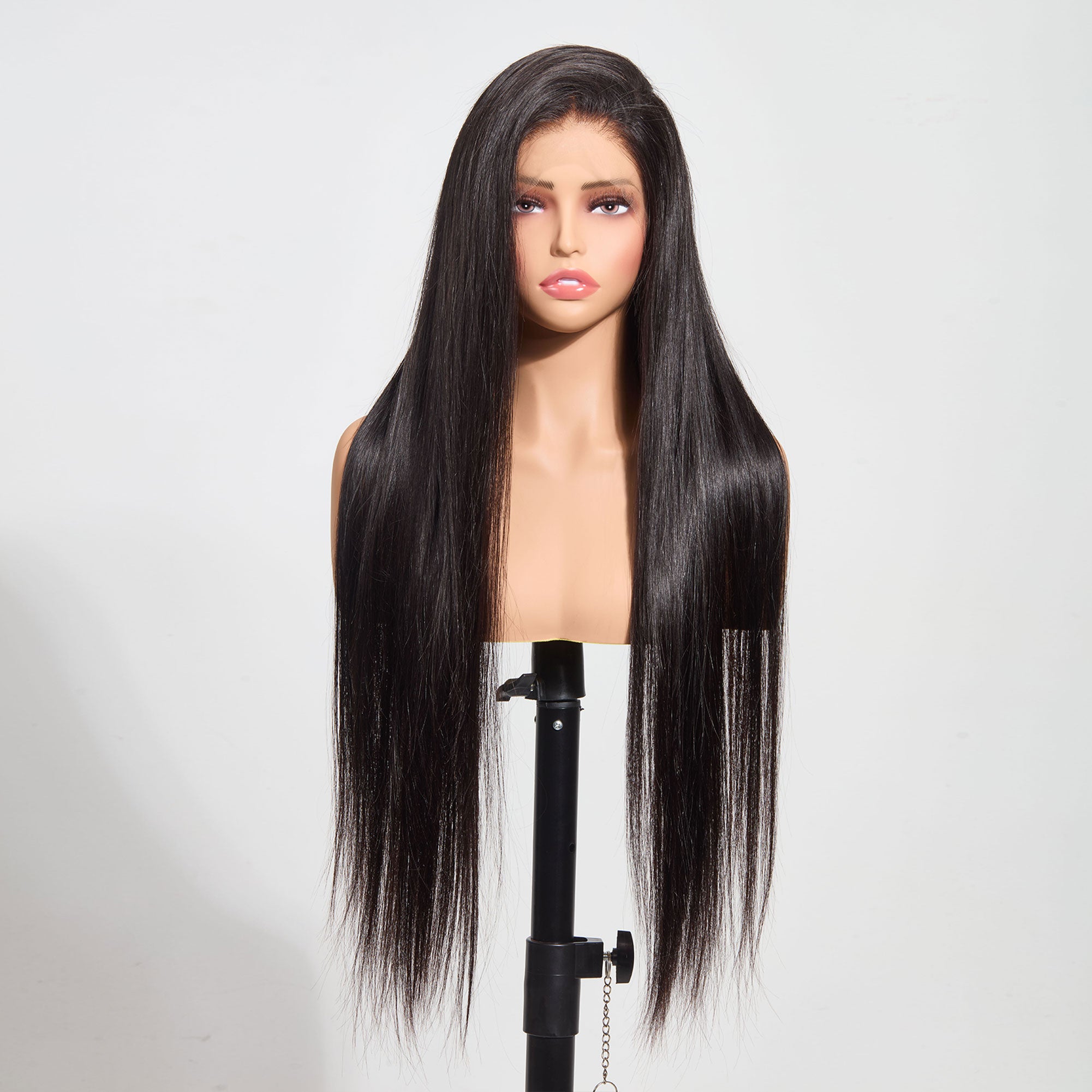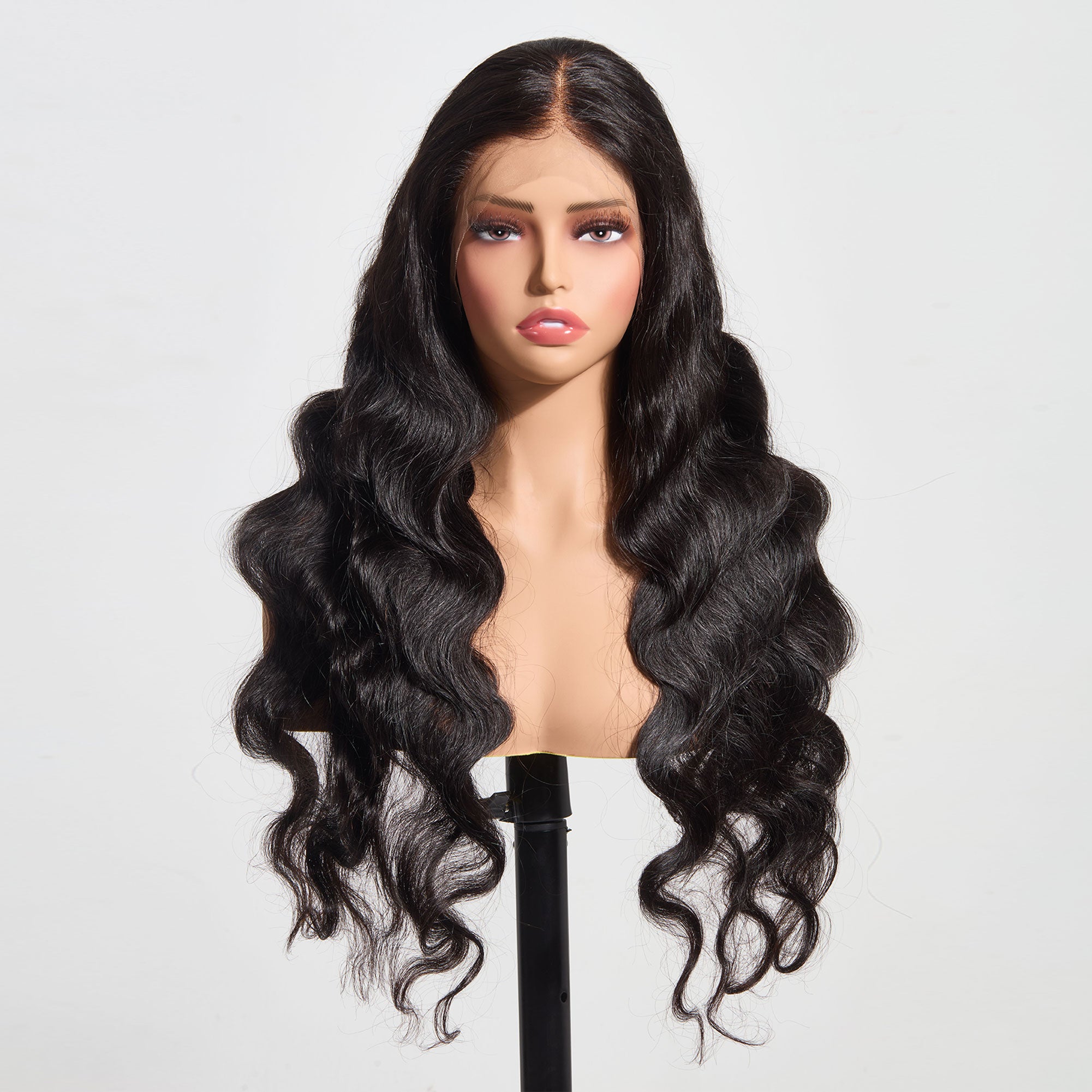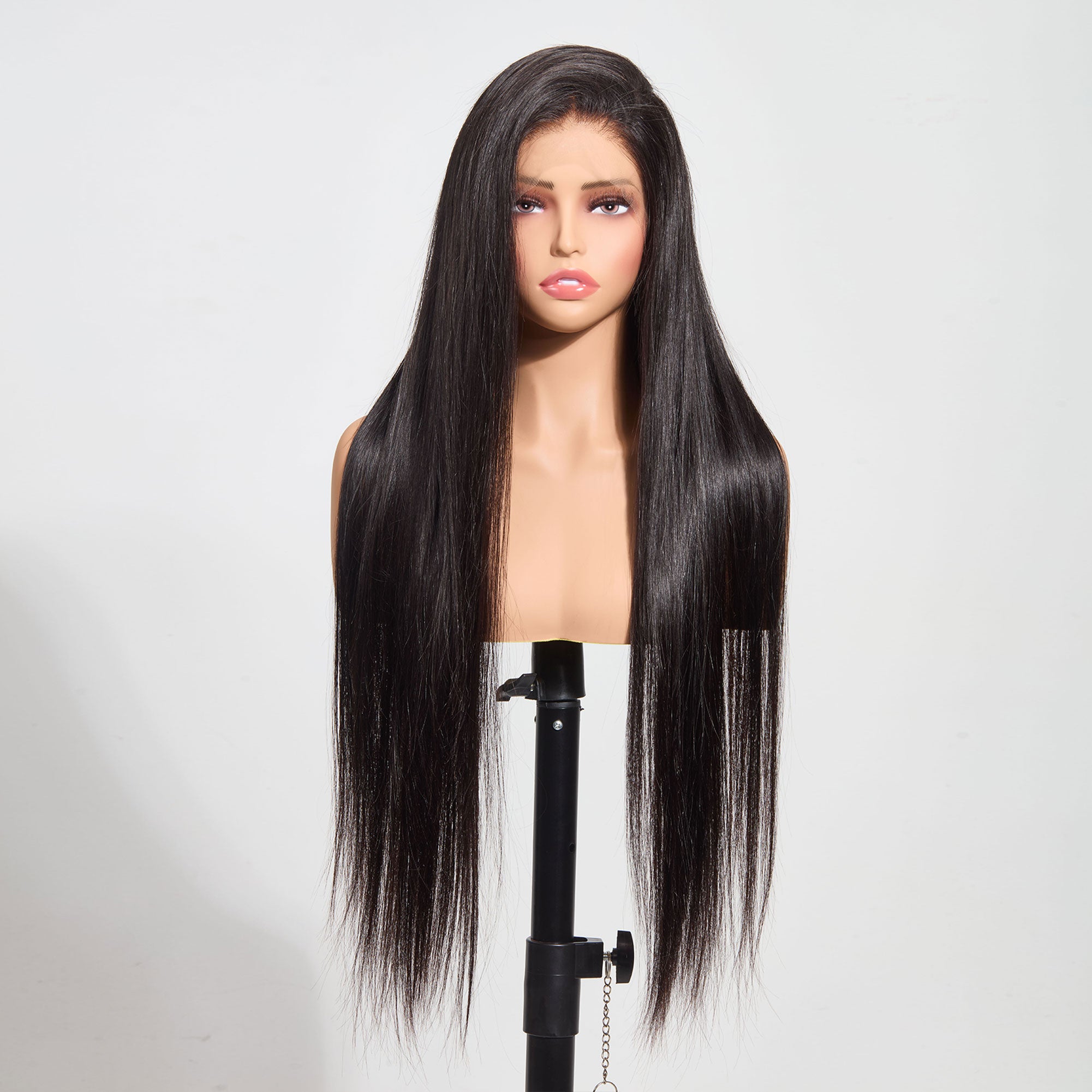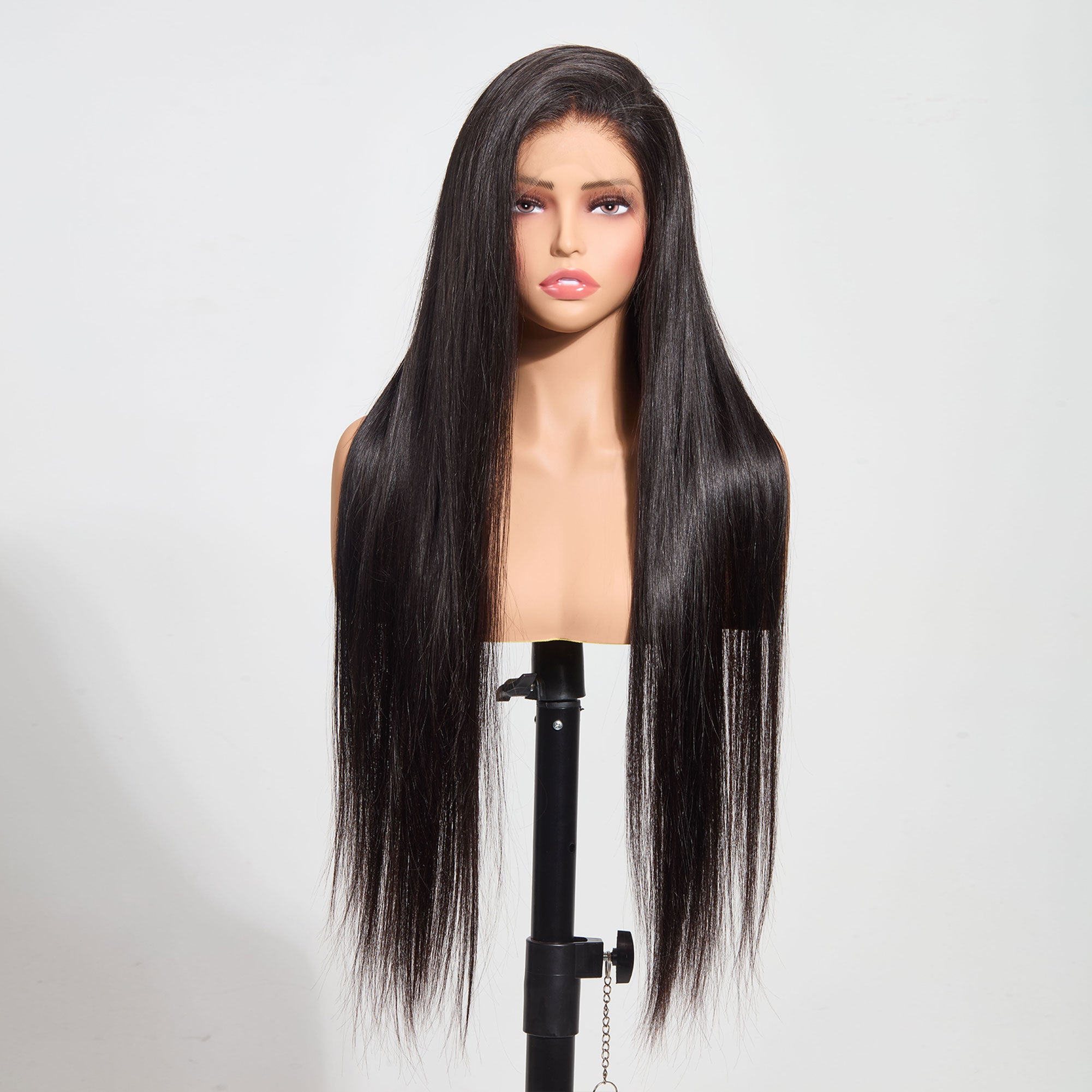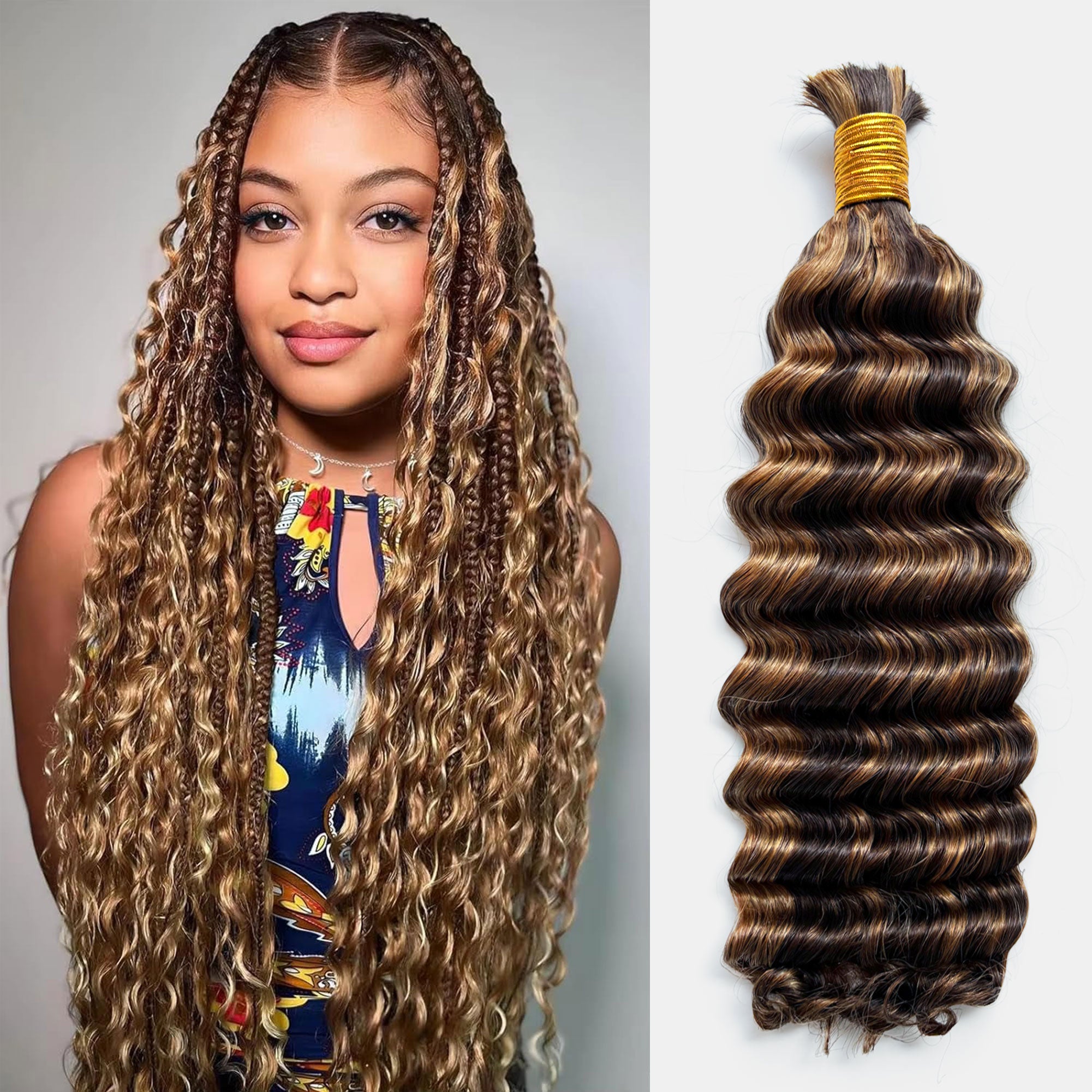



How to Dye a Human Hair Wig? Professional Guide
Human hair wigs can be dyed, bleached, or highlighted if they are made of 100% Virgin Human Hair. The most important step is protecting the lace base with a barrier (gel or Vaseline) to prevent staining. For specific areas (roots/highlights), use the Brush Method with a 10 or 20-volume developer. For one solid color on 613 Blonde Wigs, use the Watercolor Immersion Method. Always perform a strand test and do not use conditioner before dyeing.

1. The Key to Hair Dyeing
- Best Material: Unprocessed human hair for dark colors or 613 blonde wigs for bright colors.
- Lace Safety: Apply gel or Vaseline to know how to protect lace when dyeing.
- Developer Guide: Use 10-volume developer to deposit color and 20-volume developer to lift or lighten.
- Pre-Wash Rule: Use clarifying shampoo only, not conditioner, before coloring human hair wigs.

2. Material Selection
To get salon results, you need the best human hair wigs for coloring.
What is a dyeable wig?
It is a unit made from unprocessed human hair with intact cuticles. Stariahair is a high-quality human hair factory. It classifies hair into two grades for coloring.
- Virgin Hair: Contains natural melanin. This is the best type of wig for coloring if you are bleaching to a brown shade (#27) or going darker.
-
613 Blonde Wigs: Hair that is factory-bleached to a pale yellow color. Use these wigs for semi-permanent colors (like dyeing a #613 wig black, pink, or blue) to avoid damaging the hair with more bleach.
- Note: Synthetic wigs cannot be dyed with standard hair dye. They require fabric dye and boiling water, which can damage virgin human hair wigs.
3. Preparation Steps
Properly prepare the hair to avoid patchy results.
Step 1: Wash the wig.
Manufacturing oils can prevent dye from absorbing properly.
- Action: Wash the wig with clarifying sulfate-free shampoo.
- Warning: Do not use conditioner. Conditioner leaves a film on the hair that blocks the dye.
Step 2: Protect the lace.
One of the most common questions we receive is how to dye a lace front wig without damaging the base. If dye touches the lace, it stains permanently.
Gel Method: Apply styling gel (e.g., Got2b) to the inside of the lace. Blow-dry until hard.
Vaseline Method: Apply a thin layer of petroleum jelly to the lace. This is the simplest way to solve how to dye a wig without staining the lace.
4. Comparing Dyeing Methods
Choose a dyeing method based on your goal when coloring human hair wigs.
| Feature | Method A: Brush Application | Method B: Watercolor Wig Method |
| Best For | Roots, Highlights, Ombre | Solid, uniform color |
| Hair Type | Virgin human hair wigs | 613 Blonde Wigs Only |
| Control | High (Specific sections) | Low (Covers everything) |
| Chemicals | Dye + Developer (Peroxide) | Hot Water + Direct Dye |
| Risk to Lace | Low (If careful) | Medium (Requires strong barrier) |
| Time | 30–45 Minutes | 2–10 Minutes |
5. Step-by-Step Instructions
Method A: Brush Application
Use this method for roots, highlights, or darkening unprocessed human hair.
-
Mix: Combine the hair dye and developer in a plastic bowl at a 1:1 ratio.
- Note: 10-Vol adds color (darker). 20-Vol lightens the color.
- Section: Pin the wig to a foam head. Divide the hair into four sections.
- Apply: Paint the dye from root to tip. Use a toothbrush near the hairline. The small bristles will help you avoid touching the lace.
- Wait: Let the dye sit for 25–45 minutes (check the box instructions).
Method B: The Watercolor Wig Method
Use this for dyeing a #613 wig to black/pink/blue or other vibrant shades.
- Water: Fill a plastic basin with hot water (approximately 190°F/90°C).
-
Mix: Add the semi-permanent dye to the water. Whisk until completely dissolved.
- Warning: Leaving clumps of dye will result in dark spots on the wig.
- Dip: Wearing gloves, place the wig in the dye mixture. Swirl it for 2–5 minutes.
- Check: Lift the wig out to check the color. Keep dipping if you want a darker color.

6. Post-Color Care
Post color care: Dyeing increases the pH level of your hair. Restore moisture.
- Rinse: Use cool water. This helps close the hair cuticle, keeping the color inside.
- Condition: Apply a deep conditioning mask. Leave it on for 20 minutes. Since wigs don't receive natural oils from a scalp, this step adds necessary moisture.
-
Dry: Squeeze the excess water out with a towel (do not rub). Place the wig on a stand to air dry.
7. Summary
Final notes on wig customization.
Learning how to dye a human hair wig is safe if you use high-quality materials. The two main errors to avoid are staining the lace and applying conditioner before dyeing.
Stariahair Factory is a high-quality human hair factory supplying resilient hair that can withstand coloring. Whether you need virgin human hair wigs for highlights or #613 blonde wigs for pastel colors, our hair's cuticles remain intact for even absorption.
Recommendation: If you are new to this, start with the watercolor wig method on a blonde unit.
8. Frequently Asked Questions
Q: What are the best human hair wigs for coloring?
A: Virgin human hair wigs are the best option for natural tones, while 613 blonde wigs are the best option for fashion colors. Avoid synthetic blends.
Q: How do you protect the lace when dyeing?
A: Apply a thick layer of styling gel or Vaseline to the inside of the lace cap. Allow the gel to dry completely to create a waterproof seal.
Q: Why is my color uneven?
A: This usually happens if you use conditioner before dyeing human hair wigs or if you do not mix the dye thoroughly into the water bath.
Q: Can I bleach black hair blonde myself?
A: Bleaching black hair to #613 blonde is difficult and can damage your hair if done incorrectly. We recommend buying a factory-made #613 blonde wig instead.