


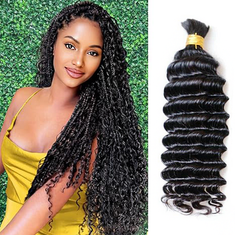


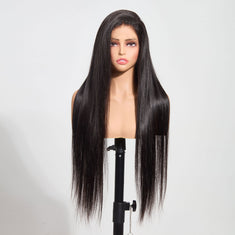


Best Clip-In Hair Extensions For Black Women
Pick clip-in extensions that actually match your texture. If the weave doesn't blend with 3C, 4A, 4B, or 4C hair, nothing else matters — length, volume, or the price tag. It just sits on top.
True Texture Matching
If the weft doesn't blend with 3C, 4A, 4B, or 4C hair, it just sits on top like a cap. The priority must always be selecting extensions that genuinely flow together with natural curls rather than competing with them.
100% Human Hair Versatility
Go with 100% human hair so you can wash, style, curl, or straighten it. Kinky straight and afro kinky wefts replicate a blown-out look without any stiffness or weird plastic shine. Curly clip-ins do the same for natural patterns.
Lightweight Edge Protection
Thick wefts add impressive volume without weighing your edges down or pulling on your roots. Easy-to-snap clips mean you can install and take them out quickly at the end of the day without tugging or pain.
“Match the texture to your hair first. Get the style second. That's the trick to making it look like you just grew it.”
Clip-ins for 4C Hair
Clip-ins for 4C hair work when the texture actually matches your coils. Get that wrong and they sit on top like a wig. Get it right and nobody can tell the difference.
The Perfect Blend
Kinky straight, afro kinky, and kinky curly wefts are the ones that blend best. They copy the look of blown-out natural hair without that sharp line between your edges and the extensions. Stick with 100% human hair so you can wash, curl, and stretch them to match whatever you're wearing that day.
True Protective Styling
They're also highly protective. No glue. No sewing. No tension on your edges. Take them out, switch styles, and put them back in. Your natural hair stays completely safe, breathing, and healthy underneath the wefts.
Straightforward Benefits
They add volume where 4C shrinkage makes hair look uneven. They blend effortlessly after you blow-dry or stretch your natural hair. Best of all, you're not locked into any one style — they come out as easily as they go in.
“Match the texture to your hair first. Everything else follows.”
Shop Clip-In Hair Extensions by Occasion and Styling Needs
Clip-ins work for more than one kind of day. Throw in two wefts for work. Grab a fuller set for a wedding. Same hair, different occasion.
Lightweight Wefts
Lightweight wefts are what you reach for daily. They add soft volume without weighing your edges down. Five or ten minutes to clip them in, comb through, and go. Straight, wavy, or in a ponytail — they blend into whatever you're wearing.
Fuller Sets
Events call for something different. Fuller sets for weddings, photoshoots, birthdays. You get the Hollywood waves or big curls that hold up in pictures. No salon booking, no sitting in a chair for hours.
Protective Styling
Natural hair folks use them as a protective style too. No glue, no braids pulling at your edges, no heat every day. Clip them in, style your natural hair underneath, take them out before bed. Your hair stays intact.
Travel & Packing
Pack them for travel. They weigh nothing and one set can give you a dozen different looks on the same trip. Straight for the morning meeting, curls for dinner. No hunting for a salon in an unfamiliar city.
Sleek and straight. Big and curly. Ponytails that actually have length. Braids and updos that don't fall flat. Whatever you're going for, the clip-ins just sit there and let you decide.
Benefits Of Human Hair Clip-In Extensions
Human hair clip-ins are made from real hair, not synthetic fibers. The difference is everything. They move like your hair. They hold heat like your hair. They look like your hair when they're next to it.
Instant Length & Volume
Add length and volume in five minutes. Short hair gets length. Thin hair gets density. Last-minute dinner date? You're done before you even start getting ready.
Realistic Movement & Shine
Real hair blends. It moves, it shines, it doesn't have that plastic glare you see on cheaper extensions. Match the texture to yours and the seam disappears. Nobody needs to know you're wearing anything.
Full Heat Tool Compatible
Heat tools work on human hair clip-ins. Flat iron, curling wand, blow dryer — go ahead. Synthetic extensions melt. Human hair just styles. And you can restyle them over and over.
No Damage, Safe Styling
No glue. No tape. No sewing into your natural hair. Clip them in, wear them, clip them out. Your edges don't take any pull. Your scalp doesn't deal with chemicals. There's nothing to remove at the salon.
Durability & Reusability
Good ones last for months. Wash them. Air dry them. Keep them in a drawer. The upfront cost breaks down to pennies per wear if you actually reuse them.
Flexible Zero Commitment
Casual Tuesday or a wedding. Straight or curly. Ponytail or loose. You decide what happens with your hair that day. No commitment. No appointment. Just clip them in and go.
That's what makes human hair clip-ins useful. They add what you want and they come out when you don't.
How To Install Clip-In Hair Extensions
Five minutes is all it takes if you do it right. Here's how.
Start with clean, dry hair. Detangle from the ends up with a wide-tooth comb. Style your natural hair the way you want it to look underneath — straight, curled, whatever. A light texture spray helps the clips hold if your hair is too smooth.
Part a horizontal strip at the nape of your neck. Clip the rest of your hair out of the way. You want one clean section to work with.
Grab the largest weft. Open the clips, lay it along the part right next to your scalp, snap everything shut. Tug on it gently. If it moves, it's not closed all the way.
Release another horizontal section above the first. Place the next weft about an inch higher. Work your way up the back of your head, using smaller wefts toward the sides. Smaller pieces near your face look more natural anyway.
Drop the top layer of your hair over everything. Brush through it. If your hair is textured, a light blowout or stretch makes the blend invisible. Look in a mirror — if you can see the weft line, shift it until it disappears.
Style it how you want. Straight, curls, ponytail, waves. Check the back and sides. Make whatever small adjustment looks off. Done.
How To Care For Clip-In Extensions
Clip-ins don't get oil from your scalp. They dry out on their own and you're responsible for keeping them from turning into straw. A good set lasts a year or more if you actually take care of them.
01 / Washing
Wash every 10 to 15 wears. That's it. Sulfate-free shampoo, moisturizing conditioner, cool water. Smooth the shampoo downward through the hair — don't scrub. Condition mid-lengths to ends, skip the clips. Rinse well.
02 / Drying
Squeeze water out with a microfiber towel. No wringing. No twisting. Lay them flat on a towel and air dry. If you use heat, keep it low and always use a protectant. Air drying is the move.
03 / Brushing
Brush before you wear them and after you take them out. Start at the ends, work your way up. Hold the weft so you're not pulling on the clips. Wide-tooth comb or a loop brush.
04 / Styling
Heat styling is fine on human hair clip-ins. Protectant first. Moderate temperatures. Don't blast the same section repeatedly. Stay clear of the clip attachments — heat damages the bond.
05 / Storing
Store them flat or hanging. Cool, dry place, away from sunlight. Silk or satin bag. A box works. They have to be bone dry before you put them away or you'll wake up to frizz.
06 / Maintenance
Between washes, give them a quick detangle. Skip the heavy oils and thick sprays — buildup is a pain to remove. Deep condition occasionally if they feel dry. Wipe the clips with a damp cloth now and then so product doesn't gunk them up.
Clip-Ins vs. Sew-Ins
Clip-ins and sew-ins both add length and volume. The difference is how long they stay in and how you get them in.
Clip-In Extensions
Clip-ins are temporary. You clip them in, wear them, take them out. Five to fifteen minutes at most. No salon. No commitment. Small pressure clips attach to your natural hair without glue, heat, or braiding.
You can remove them every night. Minimal tension on your hair because nothing is stitched or glued to your scalp. They're the go-to for occasional wear, travel, or anyone who changes their mind about their hair from one day to the next.
Sew-In Extensions
Sew-ins are semi-permanent. A stylist braids your hair flat and stitches wefts onto the braids. They last six to eight weeks. You wake up and your hair is done. No daily styling, no thinking about it.
But you're stuck with that style for nearly two months. Touch-ups cost money. And if the braids are too tight, your edges can take real damage over time.
The Trade-Off: Flexibility vs. Convenience
Clip-ins trade convenience for flexibility. You style your hair every time you wear them, but you can change the style every day. Sew-ins trade flexibility for convenience. You lock into one look for weeks but you never have to think about your hair again.
Which to choose? Pick clip-ins if you like switching styles, if you're new to extensions, or if you want protective styling without the commitment. Pick sew-ins if you're tired of daily styling, if you need a look to last through a long stretch of work or travel, or if you just want to wake up with your hair done.
| Factor | Clip-In Extensions | Sew-In Extensions |
|---|---|---|
| Installation | DIY (minutes) | Salon (hours) |
| Duration | Same-day wear | 6–8 weeks |
| Maintenance | Low | Moderate to high |
| Flexibility | High (remove anytime) | Low (fixed style) |
| Hair stress | Minimal | Moderate tension |
| Best use | Occasional & styling variety | Long-term protective styling |
If you want to change your style often and don't want to commit, go with clip-ins. If you'd rather not think about your hair every morning and don't mind going back to a stylist every couple of weeks, sew-ins make more sense.
Most beginners start with clip-ins. They're cheaper and lower risk. You learn what texture and weight work for your hair before you commit to something stitched in for two months. Both options look good when they match your natural hair. Pick the texture that lines up with what you already have. The rest is just deciding how often you want to touch your hair.
Clip-In Extensions VS Wigs
Clip-ins and wigs both change how your hair looks. The difference is how much of your real hair stays visible.
Clip-In Extensions
Clip-ins add to what you already have. You clip them in, pull your natural hair over the top, and you have more length or volume. Five minutes, no glue, no lace, no adhesive.
Take them out every night. They're for people who like their hair but want it bigger. They let you enhance your natural style quickly without changing your baseline look.
Wigs
Wigs cover everything. Your natural hair goes underneath, the wig goes on top, and you're wearing a completely different hairstyle. Lace fronts can look realistic, and full wigs can be dramatic.
They come in human hair or synthetic, and you can switch color, texture, and length without committing to any of it permanently. But they need to fit properly—a wig that doesn't sit right looks like a wig.
Flexibility & Resetting
Clip-ins enhance your hair. Wigs replace it. Pick clip-ins if you want your hair to still look like your hair, just fuller. Pick a wig if you want to change everything — color, length, texture — without touching your own hair.
A Hybrid Approach? Some people do both. They reach for clip-ins on days they want to enhance their natural hair, and use a wig on days they want a complete reset.
| Factor | Clip-In Extensions | Wigs |
|---|---|---|
| Coverage | Partial (blends with natural hair) | Full coverage |
| Installation | 5–15 minutes | 10–40 minutes |
| Natural look | Very natural when blended | Natural with proper lace install |
| Breathability | High | Moderate to low |
| Styling freedom | Natural-hair-based styles | Full transformation styles |
| Commitment | Daily wear/removal | Can be daily or long wear |
Pick clip-ins if you want your hair to still look like your hair, just fuller or longer. Pick wigs if you want to change everything — color, texture, length — without touching your own hair.
Clip-ins add to what you have. Wigs replace it. One enhances. The other is a complete reset. Which one makes sense depends on whether you like your natural hair and just want more of it, or whether you're tired of it and want something else entirely.
Common Clip-In Hair Extension Mistakes to Avoid
Clip-in extensions look bad when you make the same mistakes everyone makes.
Ignoring Texture Matching
Wrong texture is the easiest one to spot. Silky straight wefts on coily hair? Obvious. Loose curls on tight coils? Also obvious. Match the texture to your hair first. Length comes second.
Forgetting the Ends and Undertones
Color matters too. Extensions that are too light or too dark show up immediately. Match them to your ends, not your roots, and check them in natural light. Warm hair against cool extensions looks wrong. Don't skip the undertones.
Clips Sitting Too High or Too Close
Where you put the wefts makes or breaks the look. Clips too close to your hairline and they peek out. Wefts too high and you get a visible ridge. Space them evenly. Cover them with a layer of your natural hair from the top.
Installing with No Grip or Damp Roots
Smooth, silky hair gives clips nothing to grip. A little backcombing at the root helps them hold. Never install on damp hair. They'll slide right out.
Cramming Wefts Near the Crown
Don't cram too many wefts into one area. Concentrating clips at the crown creates a shelf, not volume. Distribute them evenly. Respect the shape of your head.
Not Styling the Units Together
Style your natural hair and the extensions together. Don't leave your hair straight and the extensions curly. Curl them, straighten them, wave them — as one unit.
Going to Bed in Your Extensions
Take them out before bed. Sleeping in clip-ins causes tangling, matting, and stress on your natural hair and the clips. They're not designed for it.
Abusing Temperatures with Iron Tools
Heat kills extensions if you abuse it. Always use a heat protectant. Keep the temperature moderate. Don't run a flat iron over the same section five times. Your extensions and your natural hair will both suffer.
FAQs
1. What are clip-in hair extensions?
1. What are clip-in hair extensions?
They're wefts with small clips on the base. You clip them into your natural hair, wear them, take them out. No glue, no sewing, no heat. Five minutes.
2. Are clip-in hair extensions good for Black hair?
2. Are clip-in hair extensions good for Black hair?
Yes, if you pick the right texture. Human hair clip-ins in kinky straight, afro kinky, or curly patterns blend well with 3C through 4C hair. Get the texture wrong and they look obvious.
3. How long do clip-in hair extensions last?
3. How long do clip-in hair extensions last?
Six to twelve months with human hair, maybe longer if you don't wear them every day. Wash them every 10 to 15 wears. Store them dry. Don't abuse them with heat and they'll outlast cheap synthetic ones.
4. How many bundles of braiding human hair do I need?
4. How many bundles of braiding human hair do I need?
Most people use about 2 to 6 bundles, but it depends on the style you want. Longer or thicker braids usually need more hair. Styles like boho or Bora Bora braids may also need extra hair for the curly pieces that are added in.
5. Can you wear clip-in extensions every day?
5. Can you wear clip-in extensions every day?
You can. But take them out before bed. Sleeping in them causes tangling and stresses your natural hair and the clips.
6. How do you make clip-in extensions look natural?
6. How do you make clip-in extensions look natural?
Match the texture to your hair. Match the color to your ends, not your roots, in natural light. Put the wefts low enough that your natural hair covers them from the top. Style your hair and the extensions together — don't leave one straight and the other curly.
7. How many clip-in wefts do I need?
7. How many clip-in wefts do I need?
A full set is usually 7 to 10 pieces. Thicker hair might need more. Don't cram them all into one area or you'll get shelves.
8. Can you wash clip-in hair extensions?
8. Can you wash clip-in hair extensions?
Yes. Sulfate-free shampoo, cool water, conditioner on the mid-lengths and ends only. Don't scrub. Smooth downward. Let them air dry.
9. Can clip-in extensions damage your natural hair?
9. Can clip-in extensions damage your natural hair?
Not if you use them right. No glue, no sewing, no heat bonding means minimal damage. But rough installation or leaving them in too long with tight clips can cause tension. Be gentle.
10. Can you style clip-in hair extensions with heat?
10. Can you style clip-in hair extensions with heat?
Yes, they're human hair. Straightener, curling iron, blow dryer — all fine. Use a heat protectant and don't crank the temp to max. Moderate heat only.
11. What is the difference between clip-ins and wigs?
11. What is the difference between clip-ins and wigs?
Clip-ins add to your hair. Wigs replace it. Clip-ins leave your natural hair visible. Wigs cover everything.
12. Can I sleep in clip-in hair extensions?
12. Can I sleep in clip-in hair extensions?
No. Tangling, matting, tension on your hair and the clips. They'll also lose their grip overnight and feel less secure the next day.
13. What is the best hair type for clip-in extensions?
13. What is the best hair type for clip-in extensions?
100% Remy human hair. The cuticles are aligned, so they don't tangle as fast and they blend more naturally. Synthetic ones melt under heat and don't last as long.
14. Why do my clip-in extensions look unnatural?
14. Why do my clip-in extensions look unnatural?
Wrong texture, wrong color, wrong placement, or you didn't blend them with your natural hair. Check all four.
15. Can I color or dye human hair clip-in extensions?
15. Can I color or dye human hair clip-in extensions?
Yes, but go slow. Lighten or tone them gradually. Over-processing makes them dry and brittle.
16. How do I store clip-in extensions properly?
16. How do I store clip-in extensions properly?
Fully dry. Brushed out. In a silk or satin bag, flat or hung up. Cool, dry place, away from sunlight.